
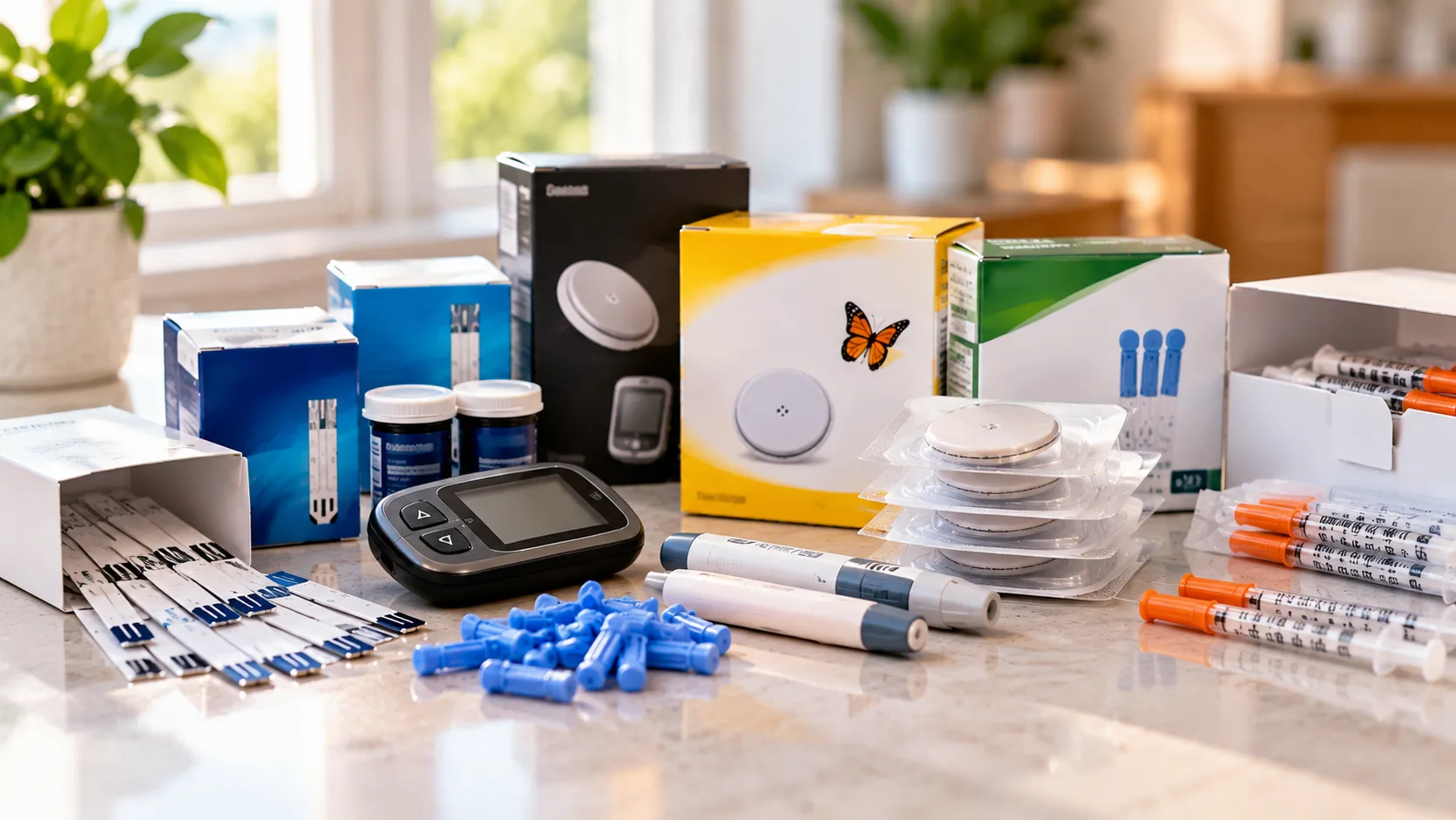
Unused diabetic supplies — test strips, CGM sensors, lancets, syringes — often pile up after a prescription change, an insurance switch, or the loss of a loved one who managed diabetes. Instead of letting them expire, many people choose to sell them. But how much can you actually expect to receive?
What Counts as Sellable Diabetic Supplies?
Most reputable buyers only purchase supplies that are:
- Unopened and factory-sealed — the manufacturer’s original packaging must be intact
- Unexpired, or with substantial shelf life remaining — items expiring within days or weeks are rarely accepted
- Name-brand or widely recognized generic products — availability and demand vary by brand
- In good physical condition — no water damage, crushed boxes, or missing labels
What Affects Your Unused Diabetic Supplies Payout?
Type of Supply
Different categories of diabetic supplies carry different values. Test strips, CGM sensors (like Dexcom and FreeStyle Libre), and OneTouch products each have their own demand and pricing — see our dedicated guides on Dexcom sensor value, FreeStyle Libre sensor value, and OneTouch test strip value.
Quantity
Selling multiple boxes at once is generally more efficient for both you and the buyer. Learn more in Does Quantity Affect Your Diabetic Supply Payout?
Expiration Date
The more shelf life remaining, the more valuable the item typically is.
Brand Recognition
Widely used, trusted brands tend to have stronger resale demand than lesser-known or discontinued product lines.
How to Sell Unused Diabetic Supplies
- Gather your supplies — sort by brand, type, and expiration date
- Request a quote from a reputable buyer, providing photos or details of what you have
- Review the offer — a legitimate buyer will explain how the price was calculated
- Ship or drop off your supplies according to the buyer’s instructions
- Receive payment — reputable buyers are transparent about payment timing and method
Red Flags to Watch For When Selling Diabetic Supplies
- Buyers who won’t give you a quote before you ship your supplies
- No clear explanation of how your payout was calculated
- Requests for sensitive personal or financial information unrelated to the transaction
- No verifiable business history or contact information
How to Maximize Your Diabetic Supply Payout
For practical tips on getting the best possible offer, see our guide on How to Get the Highest Payout for Diabetic Supplies.
FAQs About Selling Unused Diabetic Supplies
Q1: What diabetic supplies can I sell?
Commonly accepted items include unopened, unexpired test strips, CGM sensors, and sometimes other unopened diabetic supplies. Always check with the specific buyer about what they accept.
Q2: Can I sell opened or partially used supplies?
Typically, no. Most buyers only purchase sealed, factory-unopened products to ensure safety and resale eligibility.
Q3: How quickly will I get paid?
Payment timelines vary by buyer. Reputable buyers are upfront about their process and typical turnaround time.
Q4: Is selling unused diabetic supplies legal?
Yes, selling unopened, unused diabetic supplies such as test strips and sensors to a buyer is a common and legal practice. Insulin and prescription medications are subject to stricter regulations, so check with the buyer about what they can accept.
Q5: Do I need a prescription to sell my supplies?
No, you generally do not need a prescription to sell supplies you already own, since you’re not purchasing or dispensing medication.
Conclusion
Unused diabetic supplies don’t have to go to waste. By understanding what buyers look for — brand, condition, expiration date, and quantity — you can get a fair and transparent payout instead of letting valuable supplies expire.
See What Your Supplies Are Worth
Visit MyDiabetesGuru to learn more, or contact us for a no-obligation quote on your unused diabetic supplies.
For more information about the safe use and handling of glucose test strips, read the FDA’s guide on How to Safely Use Glucose Meters and Test Strips for Diabetes.
Disclaimer: This article is for informational purposes only and does not constitute financial, medical, or legal advice. Payout amounts vary by buyer, product, condition, and market conditions, and are not guaranteed.